How to flush your water heater to prevent sediment buildup
Flushing your water heater is essential to prevent sediment buildup and ensure efficient operation. Discover how to do it effectively.
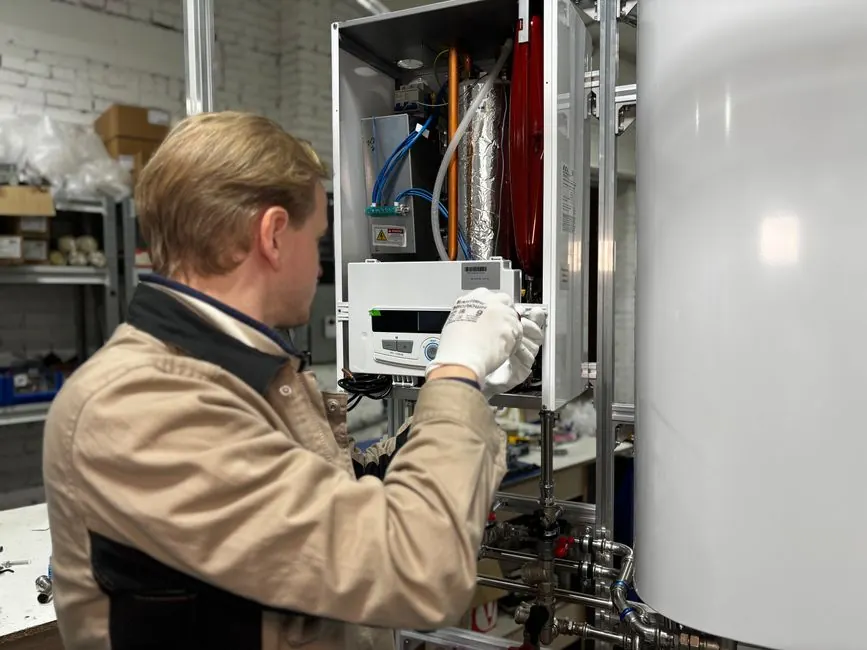
Flushing your water heater is crucial to prevent sediment buildup, which can damage the unit and reduce efficiency. Regular flushing helps maintain optimal performance and extends the lifespan of your water heater.
This article will guide you through the importance of flushing your water heater, how to do it, and when you might need to call a professional like All Star Heater Fixer in Pennsylvania.
Why is flushing your water heater important?
Flushing your water heater is essential because it removes sediment that accumulates over time. This sediment can cause overheating, reduce efficiency, and lead to costly repairs or replacements.
What is sediment buildup?
Sediment buildup refers to the accumulation of minerals and debris at the bottom of your water heater tank. This buildup can affect heat transfer, leading to increased energy costs and potential damage to the unit.
How often should you flush your water heater?
Homeowners should flush their water heaters at least once a year to prevent sediment buildup. In areas with hard water, more frequent flushing may be necessary.
Steps to flush your water heater
Flushing your water heater is a straightforward process that you can do yourself. Here's how:
- Turn off the power supply or gas to the water heater.
- Close the cold water supply valve to the heater.
- Connect a garden hose to the drain valve at the bottom of the tank.
- Place the other end of the hose in a bucket or drain.
- Open the drain valve and allow the water to flow out until it runs clear.
- Close the drain valve and remove the hose.
- Open the cold water supply valve to refill the tank.
- Turn the power or gas back on.
For those who prefer a professional touch, consider our Water Heater Installation in Pennsylvania services.
Common mistakes to avoid
Many homeowners make mistakes when flushing their water heaters. Here are a few to watch out for:
- Not turning off the power or gas supply, which can lead to overheating.
- Failing to close the cold water supply valve before draining.
- Neglecting to check the drain valve for leaks after flushing.
When to call a professional
If you encounter issues while flushing your water heater or if it continues to have problems after flushing, it may be time to call a professional. Our team at All Star Heater Fixer specializes in Water Heater Repair in Pennsylvania and can help diagnose and fix any issues.
Frequently Asked Questions
1. How long does it take to flush a water heater?
Flushing a water heater typically takes about 30 to 60 minutes, depending on the amount of sediment buildup.
2. Can I flush my water heater if it's leaking?
No, if your water heater is leaking, it's best to contact a professional for Emergency Water Heater Services in Pennsylvania.
3. What tools do I need to flush my water heater?
You will need a garden hose, a bucket, and possibly a wrench to open the drain valve.
4. Is it safe to flush my water heater?
Yes, it is safe as long as you follow the proper steps and precautions.
5. How can I tell if my water heater needs flushing?
If you notice discolored water or hear popping sounds, it may be time to flush your water heater.